
Introduction
Your digestive system plays a vital role in keeping your body healthy. When it doesn’t function properly, it can lead to discomfort and long-term health issues. Many people ignore early symptoms of poor digestion, which can worsen over time.
In this article, we’ll explore the key warning signs and explain what helps digestion after eating so you can maintain a healthy gut naturally.
Symptoms of Poor Digestion You Should Not Ignore
Recognizing the symptoms of poor digestion early can help prevent serious problems.
1. Bloating and Gas
Bloating after meals is a common issue caused by the improper breakdown of food.
2. Heartburn and Acid Reflux
A burning sensation in the chest after eating may indicate acid reflux and poor digestion.
3. Constipation or Diarrhea
Irregular bowel movements are strong indicators of digestive imbalance.
4. Stomach Pain and Cramps
Pain or discomfort after eating often signals slow digestion.
5. Nausea After Eating
Feeling nauseous can mean your stomach is struggling to process food.
6. Fatigue and Low Energy
Poor digestion prevents proper nutrient absorption, causing tiredness.
7. Bad Breath (Halitosis)
Chronic bad breath may be linked to digestive problems.
8. Unexplained Weight Changes
Sudden weight loss or gain can result from poor digestion.
Causes of Poor Digestion
Understanding the causes can help you fix the problem:
- Eating too quickly
- Overeating
- Low fiber intake
- Dehydration
- Stress and anxiety
- Lack of exercise
What Helps Digestion After Eating?
If you experience discomfort, here are proven tips on what helps digestion after eating:
1. Take a Short Walk
Walking for 10–15 minutes improves digestion and reduces bloating.
Alt text: what helps digestion after eating, including walking after a meal
2. Drink Warm Water
Warm water helps break down food and supports digestion.
3. Eat Smaller Portions
Avoid overeating to reduce stress on your digestive system.
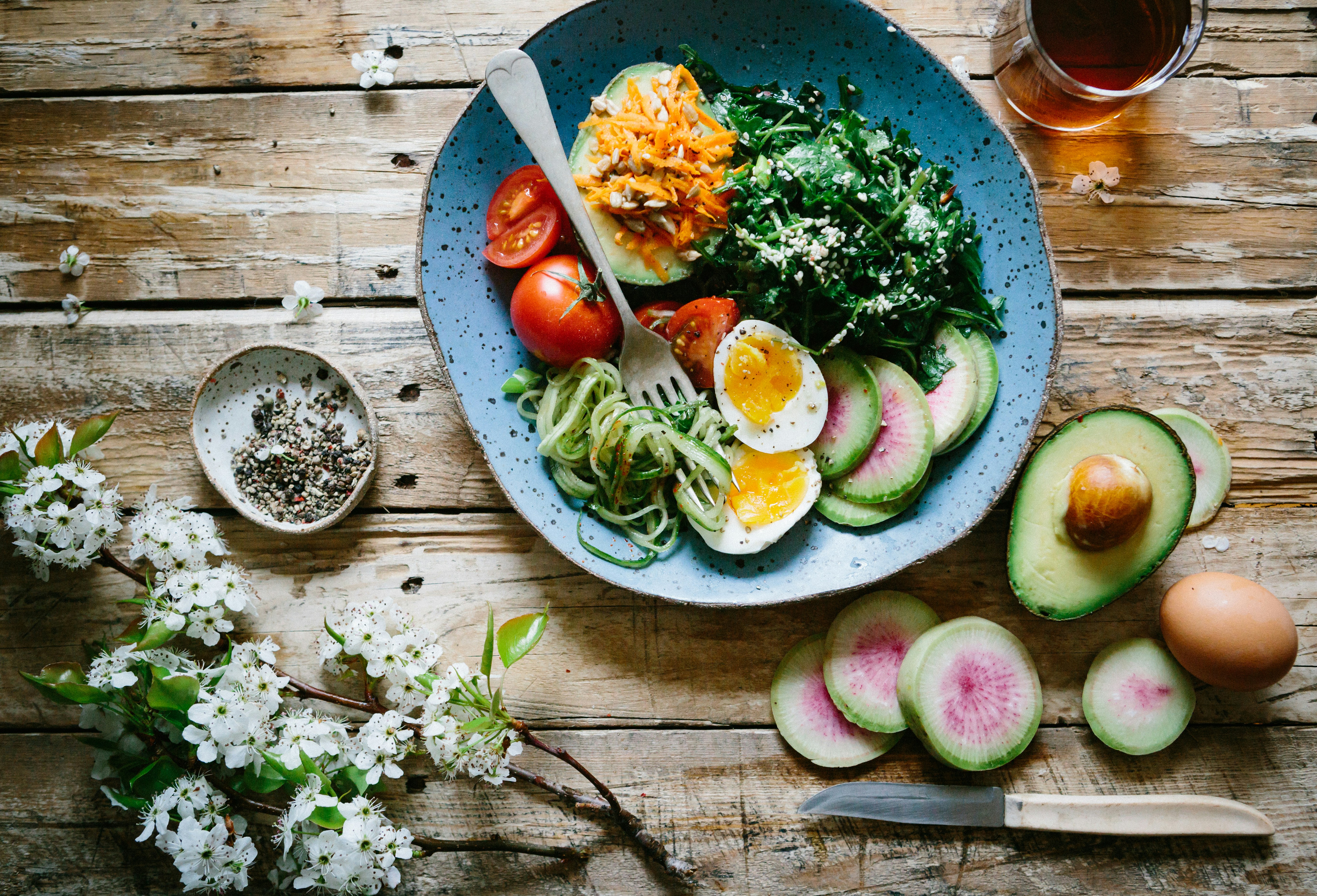
4. Include Digestive Foods
Add foods like yogurt, ginger, and papaya to your diet.
Alt text: foods that help digestion naturally: yogurt,t fruits
5. Avoid Lying Down Immediately
Wait at least 2–3 hours before lying down after meals.
6. Chew Food Properly
Proper chewing makes digestion easier and faster.
7. Stay Hydrated
Water plays a key role in smooth digestion.
Best Foods for Better Digestion
Include these foods to prevent the symptoms of poor digestion:
- High-fiber foods (vegetables, oats, whole grains)
- Probiotics (yogurt, kefir)
- Fruits (papaya, banana, apple)
- Herbal teas (ginger tea, peppermint tea)
Lifestyle Tips to Improve Digestive Health
- Exercise regularly
- Manage stress with meditation
- Avoid junk and oily foods
- Maintain a regular eating schedule
High-Authority External Resources
For more information, check these trusted sources:
- World Health Organization (WHO): https://www.who.int
- Healthline Digestive Health Guide: https://www.healthline.com/nutrition/ways-to-improve-digestion
- Mayo Clinic Digestive System: https://www.mayoclinic.org
Conclusion
Ignoring the symptoms of poor digestion can lead to serious health issues. By identifying early signs and understanding what helps digestion after eating, you can take control of your gut health.
Simple lifestyle changes can make a big difference—start today for a healthier and more comfortable life.
